







Search Results for: Anaerobic Aging
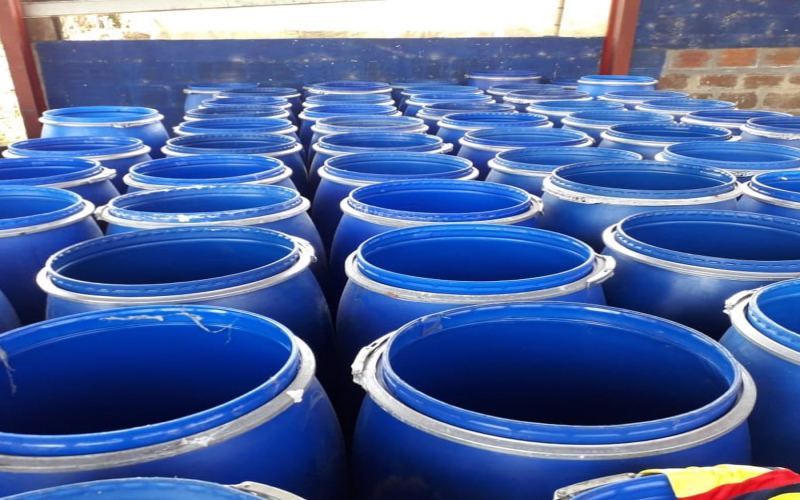
A Comprehensive Analysis of Specialty Coffee Processing Methods: The Craft and Flavor of Anaerobic Fermentation, Barrel Aging, and Wine Infusion
In recent years, an increasing number of specialty green coffee beans processed with special processing methods have appeared on the specialty coffee market. Is this really something to be happy about? Front Street Coffee believes that special processing methods were originally intended to give the flavor of coffee beans from a certain producing region more distinctiveness. However, as their use has continued to expand, some processing methods today seem to be more about masking the defects of the coffee beans themselves and then selling them at a high price. In fact, all special processing methods have evolved around the three traditional methods: washed, natural, and honey. This article will systematically sort out the most common types of special processing methods on the market, including anaerobic fermentation, barrel fermentation, and red wine processing, and, combined with Front Street Coffee's cupping experience and specific products, analyze their processing procedures and flavor characteristics. [more…]
The Flavor Spectrum of Experimental Processing Methods: From Barrel Fermentation to Anaerobic Maceration
Anaerobic natural, lactic fermentation, barrel-aged, yeast inoculation—the vocabulary of specialty coffee processing methods has exploded in recent years, and coffee menus increasingly read like a brewery's process manual. These experimental processing methods are not marketing coinages; each one corresponds to a genuine technological innovation. This article maps out the mainstream lineage and examines "flavor alchemy." [more…]
Costa Rica Las Piedras Estate Blueberry Coffee Beans: Full Analysis of Anaerobic Heavy Honey Processing Flavor and Variety
Costa Rica, with its diverse microclimates and volcanic soils, became one of the first countries in Central America to cultivate coffee. Piedra Grande Estate, located in the Brunca region in the south, takes its name from the indigenous "secret stone spheres" unearthed nearby. At an altitude of 1,400-1,700 meters, the mixed red and gray clay soil gives the coffee high density and excellent sweetness. The estate grows two varieties, Bourbon and Catuai, and employs anaerobic heavy honey processing: first low-temperature anaerobic fermentation, then 20-25 days of raised-bed drying and greenhouse resting, and finally aging the beans to 11% moisture content. Front Street Coffee's Piedra Grande Blueberry coffee presents a flavor profile of rose, blueberry gummy candy, fermented notes, and mint, making it well worth savoring for coffee enthusiasts. [more…]
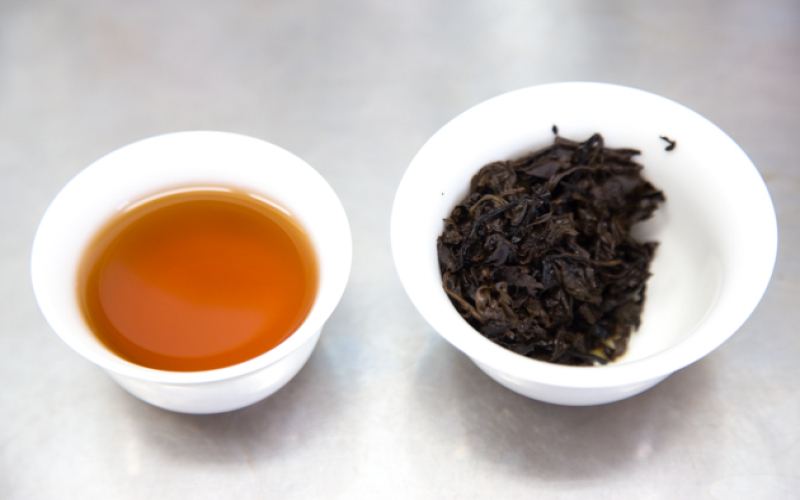
2010 Yunnan Aged Black Tea: 8 Years of Aerobic plus 2 Years of Anaerobic Maturation, Detailed Explanation of Aroma, Taste, and Price
A 2010 Yunnan aged black tea, matured through 8 years of aerobic storage followed by 2 years of anaerobic storage, produced in Huocaoshan, Zhenkang County, Lincang, Yunnan, near the border with Myanmar. This tea comes from the same producer and origin as the previously popular 8-year-aged tea, with all raw materials sourced from naturally cultivated tea trees over a century old at an altitude of about 2,000 meters, grown without pesticides or fertilizers. Due to the slow growth of natural cultivation, the yield is less than a quarter of that of ordinary tea gardens, and the tea leaves are exceptionally rich in polyphenols and minerals, with a long-lasting aftertaste where sweetness slowly spreads deep in the throat. After anaerobic maturation, the aroma becomes more intense, combining the character of black tea with the smooth, refreshing charm of ripe Pu'er. This article will detail its aroma and taste characteristics, brewing suggestions, and a price reference for authentic 10-year-aged Dianhong black tea in 500-gram quantities, suitable for readers who enjoy aged teas. [more…]
Cold Brew Coffee Bean Selection Guide: From Fruity to Wine-like Notes, Can Huakui and Geisha Deliver?
Cold brew coffee, with its non-bitter, low-acid, mellow character, plus the unique fermented note brought by low-temperature aging, has become a favorite among many coffee lovers in summer. But not all coffee beans are suitable for cold brew—different origins, processing methods, and roast levels will make the same bean present a completely different profile from hot brewing. At Front Street Coffee, when making cold brew day to day, we carefully select beans with appealing flavors that suit cold brew. This article compiles the bean-selection approaches and specific recommendations for four cold brew styles, including rich fruity, fresh floral-fruity, full-bodied and deep, and subtly boozy, and also answers whether popular varieties such as Huakui and Geisha can be used to make cold brew. [more…]
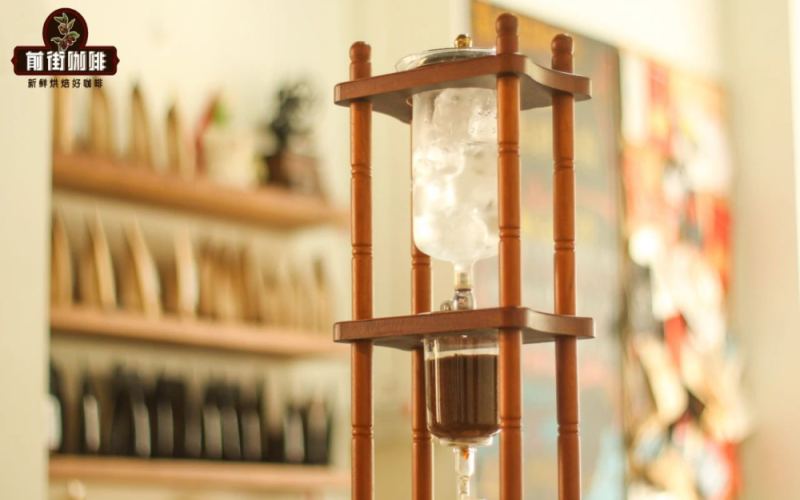
Why Isn't Cold Brew Coffee Sour or Astringent? A Detailed Explanation of Its Taste Characteristics, Brewing Method, and the Principles of Low-Temperature Aging
Ice drip coffee is known for its clean, full-bodied, smooth taste and rich fermented wine aroma, but many people mistakenly think it contains alcohol when they first encounter it. In fact, ice drip is a type of cold brew coffee, made by extracting drop by drop with ice water over a long period. Freshly made ice drip is not at its best for drinking; it needs low-temperature aging in the refrigerator to reveal its full fruity feel and wine aroma. Based on Front Street Coffee's production practice, this article explains in detail the coffee-to-water ratio, drip rate, aging time, and storage recommendations for ice drip, giving you a comprehensive understanding of the flavor sources and key production points of ice drip coffee. [more…]
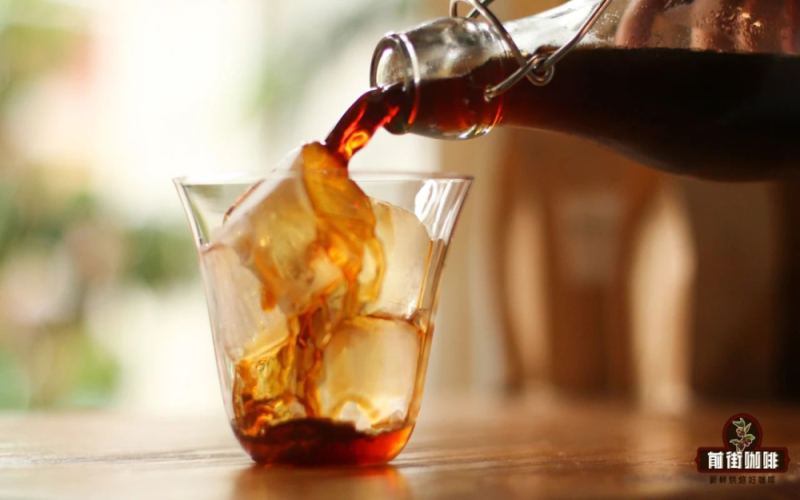
The Alcoholic Aroma Secrets of Ice Drip Coffee: A Detailed Guide to Cold Brew Grind Ratio, Drip Parameters, and Low-Temperature Aging Process
The rich, lingering fermented wine aroma of cold brew coffee often leads people to mistakenly believe that alcohol has been added to it, but this is not the case. The source of this unique flavor is closely related to the cold brew extraction method and the subsequent low-temperature aging process. Front Street Coffee will guide you through the cold brew coffee-making process: from key parameters such as the coffee-to-water ratio and drip speed, to why it cannot be drunk immediately after extraction, how low-temperature aging gives coffee its wine aroma, and the precautions to take during preparation and storage. If you also want to recreate at home a cup of clean, smooth cold brew interwoven with fruity and wine aromas, you might as well follow Front Street's approach step by step, from bean selection to aging. [more…]
2022 Front Street Coffee Specialty Roasted Bean Price List: A Bean-Hunting and Roasting Journey from Ethiopia to Yunnan
Front Street Coffee (FrontStreet Coffee) cups hundreds of sample lots every year, and in the end only around fifty make it onto the menu—a testament to how rigorous its selection standards are. The 2022 new-crop menu covers origins including Ethiopia, Kenya, Papua New Guinea, Indonesia, Jamaica, Hawaii, Panama, Costa Rica, Colombia, Brazil, Honduras, and Yunnan, China. Processing methods range widely, from washed and natural to wet-hulled and barrel-fermented. This article provides a complete rundown of each coffee's origin background, variety information, processing method, flavor description, and price, making it easy for coffee lovers to choose what they need. [more…]
Front Street Colombia Finca San Jose Rum Barrel Fermented Coffee: Analysis of Flavor Formation and Brewing Performance
The rum barrel-fermented washed beans from Front Street Coffee's San Jose estate in Colombia are a highly representative example of the low-temperature anaerobic fermentation trend in recent years. They originate from a bold idea by the estate's owner, Monsalve Botero—placing green coffee beans into oak barrels for low-temperature fermentation. These beans use Supremo-grade Castillo and Naranjal varieties, which are fermented in barrels after depulping, then washed and dried on raised beds, revealing flavors of rum, cantaloupe, and dark chocolate. This article will review the origins of the processing method, the characteristics of the green beans, their unique performance in roasting and brewing, and explore the possible causes behind their rich vinous notes. [more…]
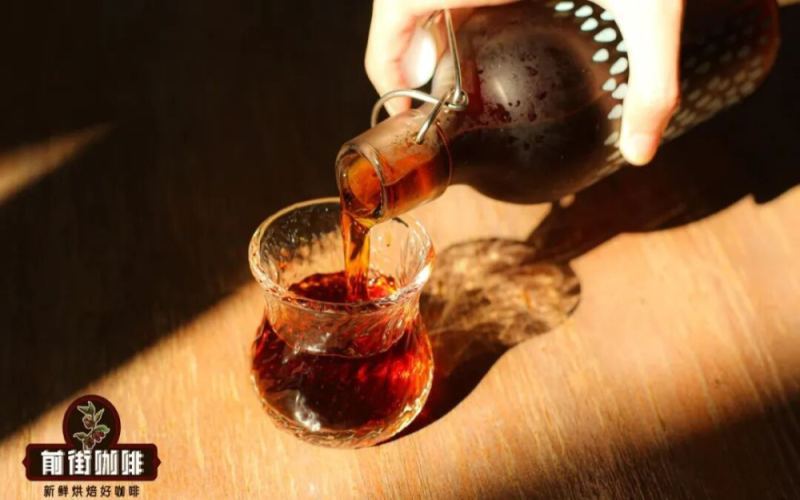
Why Does Cold Brew Coffee Have a Wine-Like Aroma? Why Is It Astringent Right After Brewing? An Analysis of the Optimal Drinking Window
The unique wine-like aroma and bouquet of cold drip coffee often lead people to mistakenly think that alcohol has been added, but in fact this comes entirely from its production method and low-temperature aging process. However, freshly dripped cold drip coffee often tastes thin or even astringent, and needs to be aged in the refrigerator to reveal a smooth, rich flavor. So how long exactly should cold drip coffee be left before drinking? Why does it develop a wine-like flavor after being stored for a long time? And why can it not be stored indefinitely? Starting from Front Street's production experience, this article explains in detail the principles behind the changes in cold drip coffee from production to aging, and from astringency to vinous aroma, and gives recommended drinking periods to help you better enjoy this cup of slow-brewed coffee. [more…]
2025 Imported Roasted Coffee Bean Price Overview: How Much Per Catty for Front Street Coffee's New-Crop Single-Origin Beans?
The 2025 new-crop bean list from Front Street Coffee has been officially released. Every year, the bean-sourcing team tests over 300 sample lots, and in the end only about 50 make it onto the shelves—a clear sign of just how strict the selection criteria are. This article compiles the latest prices for the entire lineup of imported roasted coffee beans currently on sale this season at Front Street, covering classic representative beans from major producing regions such as Ethiopia, Kenya, Papua New Guinea, Indonesia, Jamaica, Hawaii, Panama, Costa Rica, and Colombia. From COE auction-winning beans to everyday washed Yirgacheffe, from Blue Mountain No. 1 to Hacienda La Esmeralda Geisha, each one is labeled with its origin, processing method, and flavor description, making it easy for coffee lovers to choose according to their needs. [more…]
Colombia Rose Valley Coffee Beans Flavor Analysis: A Brewing Guide to the Anaerobic Enzyme Washed Process with Rose and Peach Aromas
Colombian Rose Valley coffee beans are highly favored by coffee enthusiasts for their unique rose and peach flavors. This article starts with the current state of Colombia's coffee-producing regions, then takes a deeper look at the growing background of the Santander region and Finca El Arbol, breaks down the characteristics of the Caturra variety and the anaerobic enzyme washed processing method, and shares Front Street Coffee's roasting insights, cupping report, and staged brewing plan. Whether you want to understand Colombia's coffee production trends or master the brewing techniques for this floral-and-fruity coffee, this article offers professional and practical reference. [more…]
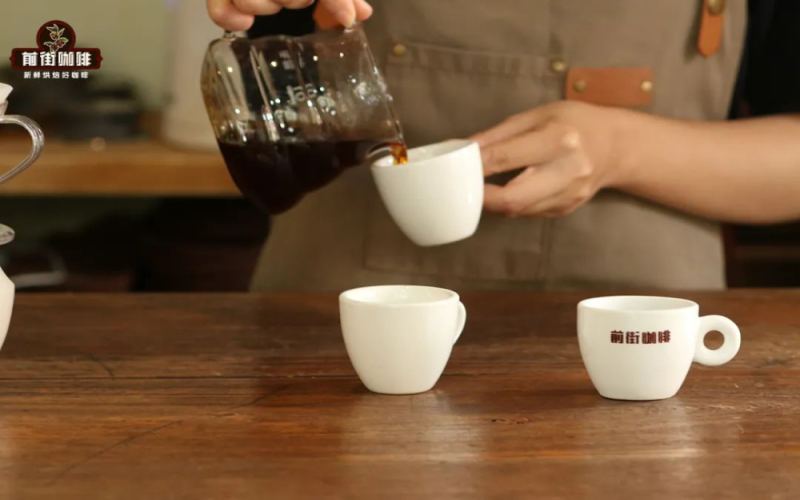
How to Quickly Identify Coffee Bean Processing Methods by Silver Skin and Flavor: A Full Analysis of Washed, Natural, and Derived Processes
Faced with the dazzling array of coffee beans on the market, many enthusiasts hope to quickly determine their processing method. In fact, by mastering just two core techniques—observing the remnants of silver skin and tasting the flavor—you can broadly distinguish between washed, natural, and derived processes such as honey processing and wet-hulled. Drawing on the practical experience of Front Street Coffee, this article systematically organizes the bean appearance characteristics of globally common processing methods and regional processing methods, and through cupping comparisons of producing regions such as Yirgacheffe, helps you build clear identification logic and understand the flavor differences behind processes such as anaerobic fermentation. [more…]
How can you tell coffee bean processing methods apart? Start with silver skin residue and cupping flavors to quickly distinguish natural, washed, honey, and wet-hulled methods
Many coffee enthusiasts hope to determine a coffee bean's processing method simply by observation or tasting, and there is actually a method to this. Drawing on Front Street's practical experience, this article systematically sorts out the classification logic of common processing methods: the globally universal washed and natural methods, as well as the region-specific Indonesian wet-hulled method and Central and South American honey process. The article focuses on how to quickly distinguish processing methods by observing the remaining silver skin on roasted beans, the white line in the bean crease, and the degree of caramelized sugar staining, while also using examples from producing regions such as Yirgacheffe to explain the differences between natural and washed coffees in flavor layering, sweetness, and cleanliness, and extending to the flavor logic of anaerobic processing, helping you build a practical framework for discernment. [more…]
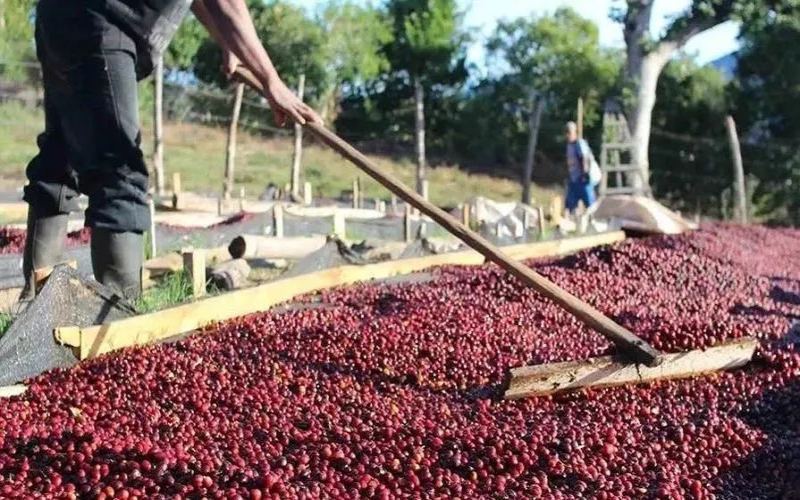
A Comprehensive Analysis of the Evolution and Craft of Costa Rican Honey Processing: From Yellow, Red, and Black Honey to Hacienda Miramonte Strawberry Candy
Coffee processing methods are advancing rapidly, with new techniques such as anaerobic fermentation, enzyme-assisted processing, and barrel-aging constantly emerging. However, traditional natural, washed, and the intermediate honey process remain the mainstream. The honey process originated in Costa Rica, where the high-altitude terrain and rainfall conditions prompted locals to draw on Brazil's pulped natural method and refine it, resulting in graded categories such as yellow honey, red honey, black honey, and white honey, which retain different proportions of mucilage. In recent years, raisin honey processing has emerged, and the Costa Rica Mirazu Estate Strawberry Candy introduced by Front Street Coffee is a prime example. This article will trace the development and technical details of the honey process, and introduce this bean—a blend of Geisha, Ethiopian heirloom ET47, SL28, and MAICO—which, when brewed with a V60 at a 1:15 ratio, presents flavors of strawberry, raisin, candy, nuts, and creamy honey. [more…]
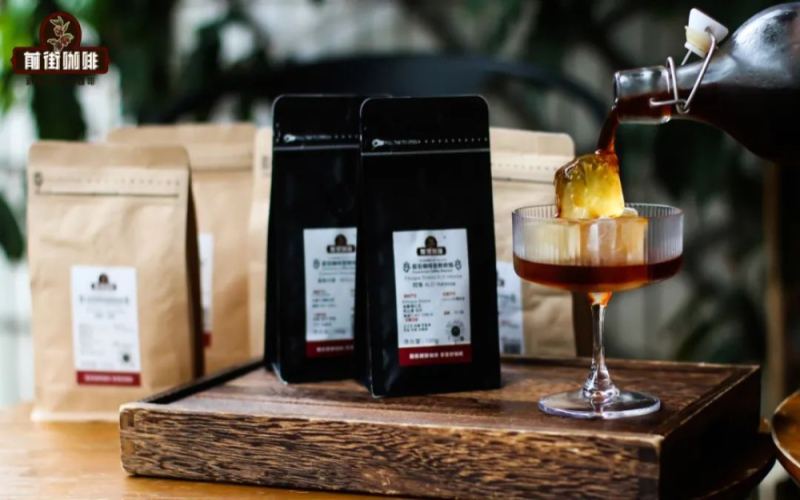
Can Mandheling Be Used for Cold Brew? A Guide to Cold Brew Coffee Ratios, Shelf Life, and Bean Selection
Cold brew coffee, with its non-bitter, slightly acidic, and mellow characteristics, has become a popular drink in summer. Different coffee beans present entirely different flavor profiles under low-temperature extraction—from fruity sun-dried beans, to rich and acid-free dark roast beans, to anaerobically processed beans with intense wine-like aromas, the range of choices is quite broad. This article starts from the perspective of bean pairing and, combined with Front Street Coffee's bean list recommendations, helps you find the coffee bean most suitable for cold brew; it also answers practical questions such as how long cold brew coffee can be stored and how to control the coffee-to-water ratio, so you can easily make a cup of cold brew to your liking at home. [more…]
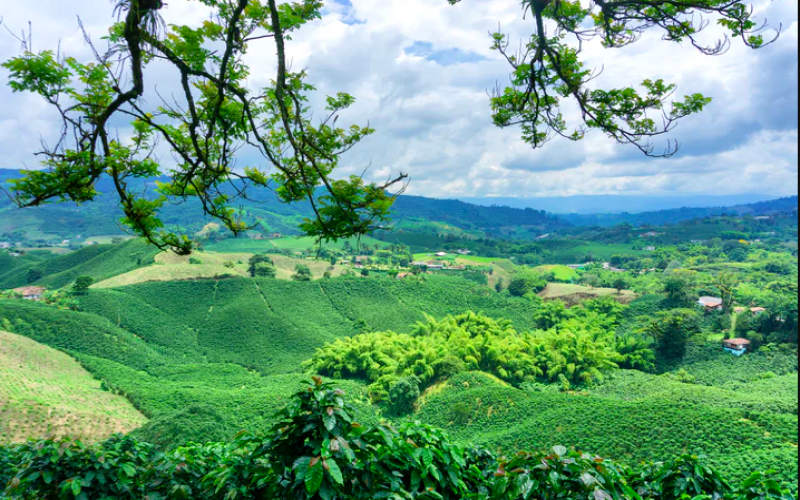
Complete Guide to Colombian Coffee: From Cultivation Origins to Washed Processing and Pour-Over Parameters
Colombia is not only the world's third-largest coffee-producing country, but also the largest exporter of washed Arabica coffee, with specialty-grade beans accounting for as much as forty percent of its exports. From Mariano Ospina Rodríguez establishing the first experimental plantation in the nineteenth century to the founding of the National Federation of Coffee Growers in 1927, Colombia's coffee industry has traveled a path from pioneering exploration to organized promotion. Front Street Coffee uses washed beans from Huila as its everyday representative, while also introducing the Sidra and Maragogipe from Finca El Diviso, showcasing the flavor differences between different varieties from the same estate under anaerobic natural processing. This article will provide a complete overview of the core knowledge of Colombian coffee, from its historical development and the principles of processing methods to specific pour-over recipes. [more…]

Pour-Over Coffee Bean Selection Guide: Recommended Representative Coffee Beans from Asia, Africa, and Latin America
Want to make pour-over coffee at home but don't know where to start when choosing beans? Front Street Coffee systematically recommends specialty coffee beans suitable for pour-over, organized by the three major regions: Asia, Africa, and Latin America. Asian beans are full-bodied with spicy and herbal notes, represented by Indonesian Mandheling and Yunnan beans; African beans are bright and lively, with Yirgacheffe, Sidamo, and Kenya each offering their own character; Latin American beans are balanced and sweet, with Brazil, Costa Rica, and Colombia each having their highlights. This article introduces the origin, altitude, variety, processing method, and flavor of representative bean types from each region one by one, helping you find the cup that suits your taste. [more…]
How to Choose Hand-Brewed Coffee Beans? A Guide from the Flavors of Asia, Africa, and Latin America to Front Street Coffee's Single-Origin Bean Recommendations
Want to brew pour-over at home, but feel overwhelmed by the dazzling array of single-origin beans and don't know where to start? The key to choosing lies in first understanding the flavor profiles of different regions. Front Street Coffee stores carry over two hundred types of single-origin beans, with more than fifty available year-round. This article will outline the flavor characteristics of the three major regions—Asia, Africa, and Latin America—and introduce representative beans such as Front Street Mandheling, Yirgacheffe, Huakui, Kenya Little Tomato, Brazil Queen's Manor, Costa Rica Musician Series, Colombia Pink Bourbon, and Rose Valley, helping coffee lovers pinpoint the one that suits their taste preferences. [more…]

Cold Brew Coffee Flavor Guide | Which Single-Origin Coffee Beans Are Best for Making Cold Brew at Home? How Long Should Cold Brew Coffee Grounds Steep?
For more specialty coffee knowledge, please follow our WeChat official account: Front Street Coffee (FrontStreet Coffee). Since cold brew coffee is made differently from regular hot-brewed coffee and needs to be prepared a day in advance, the cold brew sold at Front Street stores doesn't offer as wide a variety of coffee beans as pour-over. [more…]